Modern buildings are expected to do far more than look impressive. Today’s schools, commercial office towers, government buildings and financial institutions must protect occupants from increasingly complex risks - from forced entry and vandalism to severe weather and accidental impact. At the same time, architects and developers still want the same things they’ve always wanted: transparency, natural light, openness, and design freedom.
These opposing needs create a challenge for glazing providers, who are increasingly turning to advanced interlayer technologies like KRYSTALFLEX® TPU, to help them balance aesthetics with modern security and resilience requirements. Developed for use in demanding safety glazing applications, KRYSTALFLEX® TPU films cam help engineers and laminators create transparent structures that are not only visually striking, but also significantly more durable.
The growing importance of safety glazing in schools
In recent years, schools have become one of the most important environments for security-focused building design. Educational buildings need glazing systems that can resist accidental impact, help delay forced entry and severe weather events and support the safe evacuation of pupils and staff during emergencies.
Modern school architecture also increasingly favors large, glazed areas to improve wellbeing, visibility, and natural daylighting for pupils, teachers and back-office employees. However, larger glazed surfaces can introduce vulnerabilities if the glazing system is not properly reinforced.
KRYSTALFLEX® TPU interlayer films work to bond layers of glass or polycarbonate together, helping glazing systems resist shattering and maintain structural integrity under stress. In practical terms, this can help:
Importantly, TPU-based interlayers can also help preserve optical clarity, ensuring schools do not need to compromise on openness or aesthetics to improve protection.
Why high-rise offices need more resilient glazing
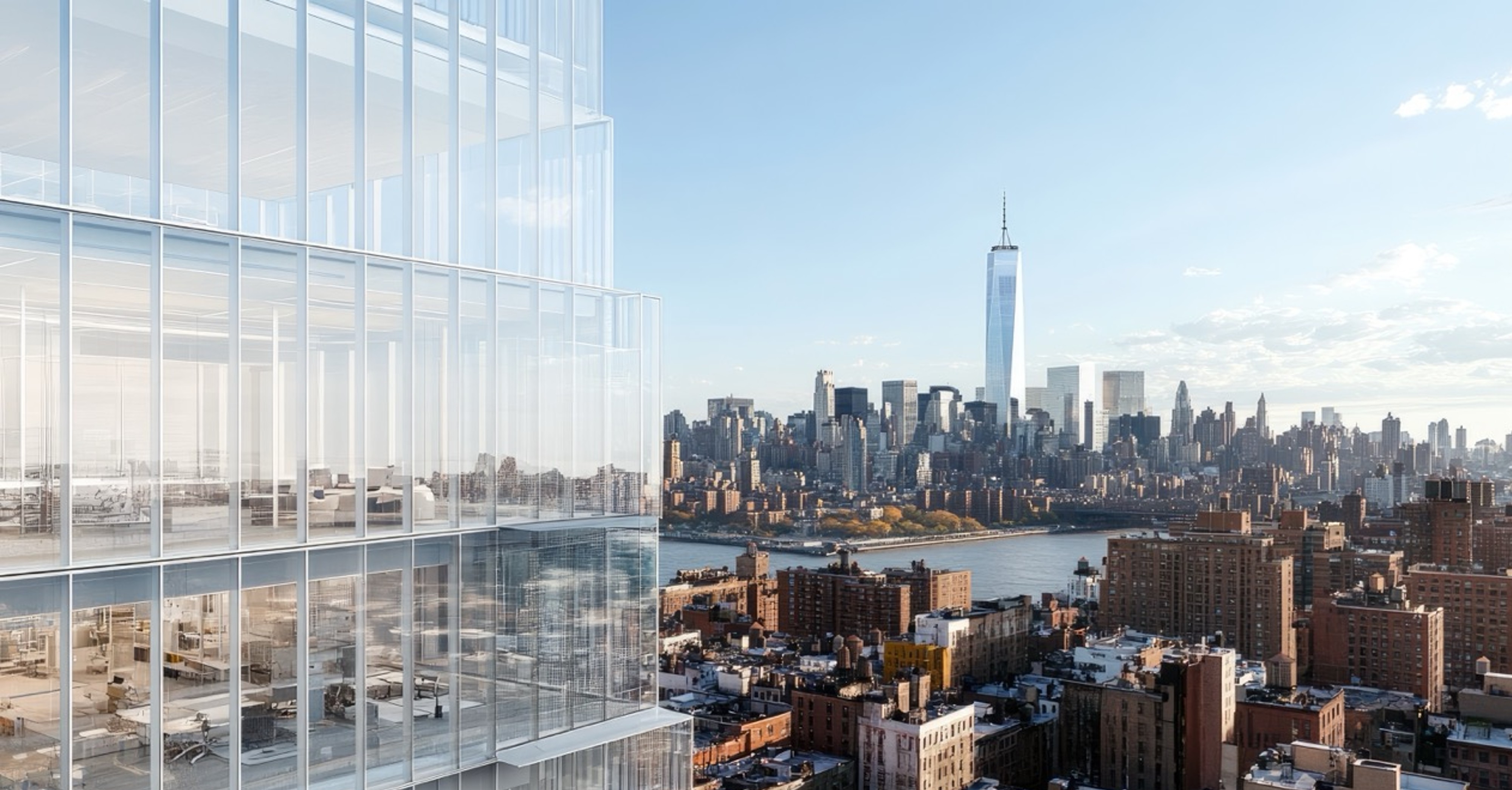
Commercial office blocks face a different set of challenges. Modern skyscrapers rely heavily on expansive glazed façades to create light-filled workspaces and maximize views. Yet these same façades are exposed to increasingly severe environmental stresses.
Storm events in major cities have demonstrated how vulnerable conventional glazing systems can be under extreme wind loads and debris impact. In some cases, blown-out windows have caused major disruption, road closures, and safety risks in dense urban areas. This is where advanced TPU interlayers can provide additional protection. KRYSTALFLEX® TPU films are engineered to absorb and
disperse impact energy, helping maximize the chance that laminated glazing systems remain intact during high-stress events. The material can also provide excellent levels of adhesion to different substrates, UV and moisture resistance, and long-term optical stability.
For high-rise developers and façade engineers, this opens up opportunities to design larger glazed areas, more complex façades, architecturally interesting, curved glazing systems and lightweight transparent structures - without sacrificing long-term durability.
Protecting high-risk public and financial spaces
Government buildings and financial institutions also face growing pressure to combine an open approach to glazing with stronger physical protection. From embassies and civic buildings to banks and the headquarters of global financial institutions, modern architecture increasingly favors transparent, welcoming environments. However, these buildings must also withstand potential security threats and impact events.
Advanced laminated glazing systems incorporating KRYSTALFLEX® TPU can help improve resistance against blast events, forced entry, and impact in civic buildings while maintaining high optical clarity and design flexibility. This allows architects and security consultants to create buildings that feel open and accessible without compromising safety.
Design freedom without compromising safety
One of the biggest advantages of KRYSTALFLEX® TPU is the flexibility it offers when it comes to creating complex laminated systems. Films can be laminated onto glass, polycarbonate, and PMMA, including complex curved surfaces and multi-layer constructions. This is becoming increasingly important as modern architecture pushes beyond flat, rigid glazing formats. Many of today’s buildings feature curved atriums, panoramic façades and asymmetrical glazing panels – and employ hybrid transparent materials. Conventional interlayers may struggle in these applications, particularly where impact resistance and long-term clarity are also required.
Building for the future
As resilience becomes a bigger priority across education, commercial real estate, public infrastructure, and financial services, advanced laminated glazing technologies are moving into mainstream building design. KRYSTALFLEX® TPU films are already used across demanding sectors including transportation, aerospace, defense, and architecture; environments where clarity, durability, and protection are all critical. For architects, glazing manufacturers, and developers, the future of building design is likely to depend on materials that can deliver both openness and protection simultaneously. And increasingly, TPU-based glazing systems such as KRYSTALFLEX® TPU films are helping make that possible.
For more information, email: elastomers_americas@huntsman.com
While all the information in this publication is to the best of our knowledge and belief accurate at the date of publication, NOTHING HEREIN IS TO BE CONSTRUCTED AS A WARRANTY, EXPRESS OR OTHERWISE. Huntsman warrants only that its products meet the agreed specifications. Typical properties, where stated, are to be considered as representative of current production and should not be treated as specifications. In all cases, it is the responsibility of the user to determine the applicability of such information and the suitability of any product for its own particular purpose. The sale of products referred to in this publication is subject to the general terms and conditions of sale of Huntsman International LLC or of its affiliated companies.
KRYSTALFLEX® is a registered trademark of Huntsman International LLC or an affiliate thereof in one or more, but not all, countries. © 2026. Huntsman Corporation or an affiliate thereof. All rights reserved.